
Skip to content
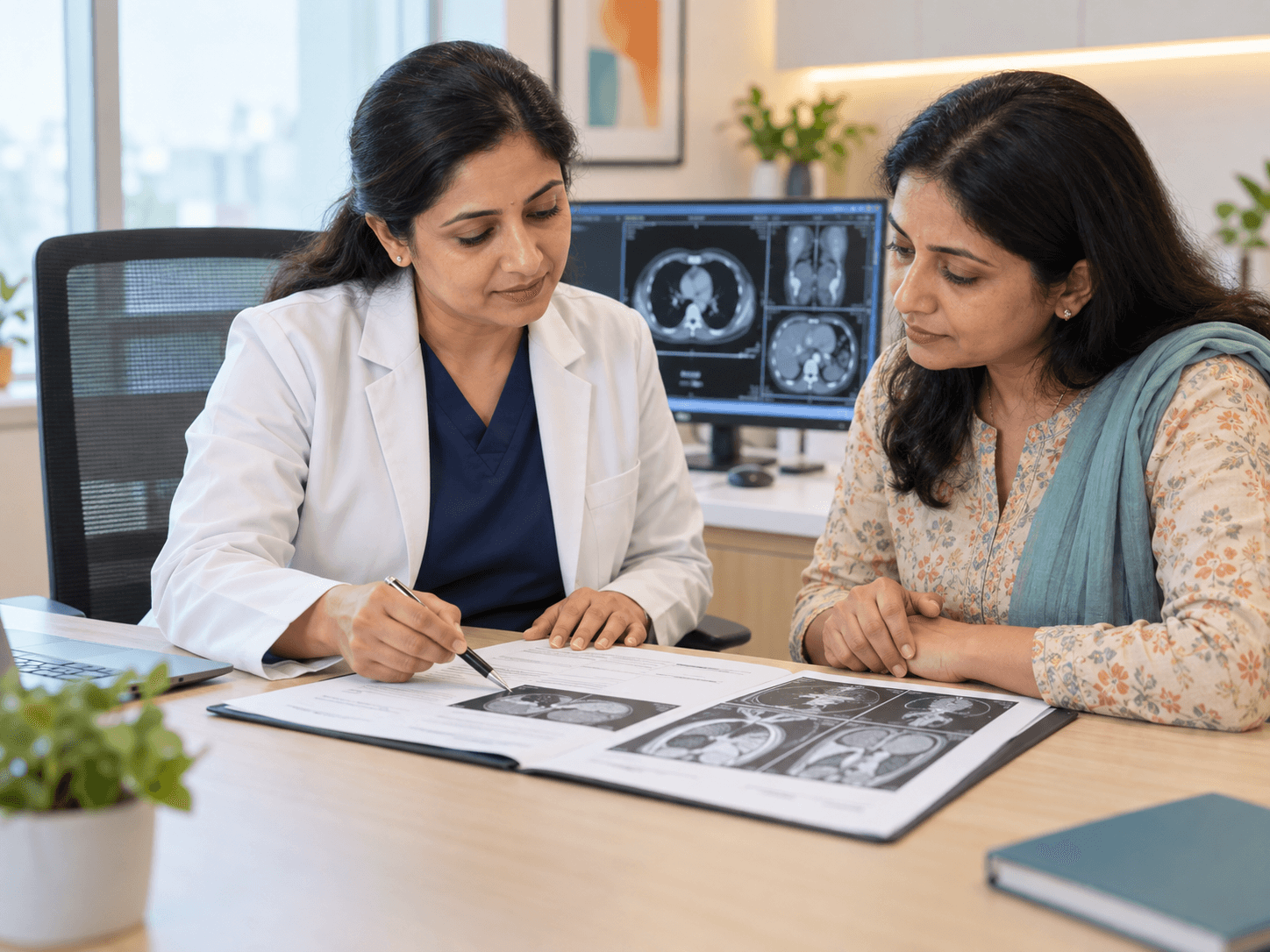
Oncologist discussing a treatment plan with a patient and family member

Cancer care

Cancer treatmentcare in India

Get your pathology, scans and treatment plan reviewed by oncology specialists, compare options and request a written estimate before you decide whether to travel.

Begin here

Request a care plan

First name
Last name
Email
WhatsApp / phone
How soon are you looking to travel?

We never share reports with a hospital until you say so. No obligation to travel.

  • Varies by cancer type and treatment plan; confirmed by your oncology team

    Typical stay

  • JCI / NABH

    Partners

  • 48h

    Case review

Overview

Cancer care, explained

Cancer treatment is planned around the type of cancer, its stage, the results of pathology and imaging tests, and your overall health and preferences. Care may include surgery, chemotherapy, radiation therapy, targeted therapy, immunotherapy or a combination, and is often decided by a team of specialists. MedMax helps you organise your records for specialist review. It does not diagnose cancer or recommend a treatment.

Oncology consultation reviewing pathology and scan reports

Pathways

Types of cancer treatment

The right combination depends on the cancer type, stage, biology of the tumour, your overall health and your goals.

  • 01

    Surgery

    Removal of a tumour and sometimes nearby tissue, including open, laparoscopic and robotic-assisted approaches where suitable. [confirm availability by hospital]

  • 02

    Chemotherapy

    Medicines that destroy or slow the growth of cancer cells, given before surgery, after surgery or as the main treatment.

  • 03

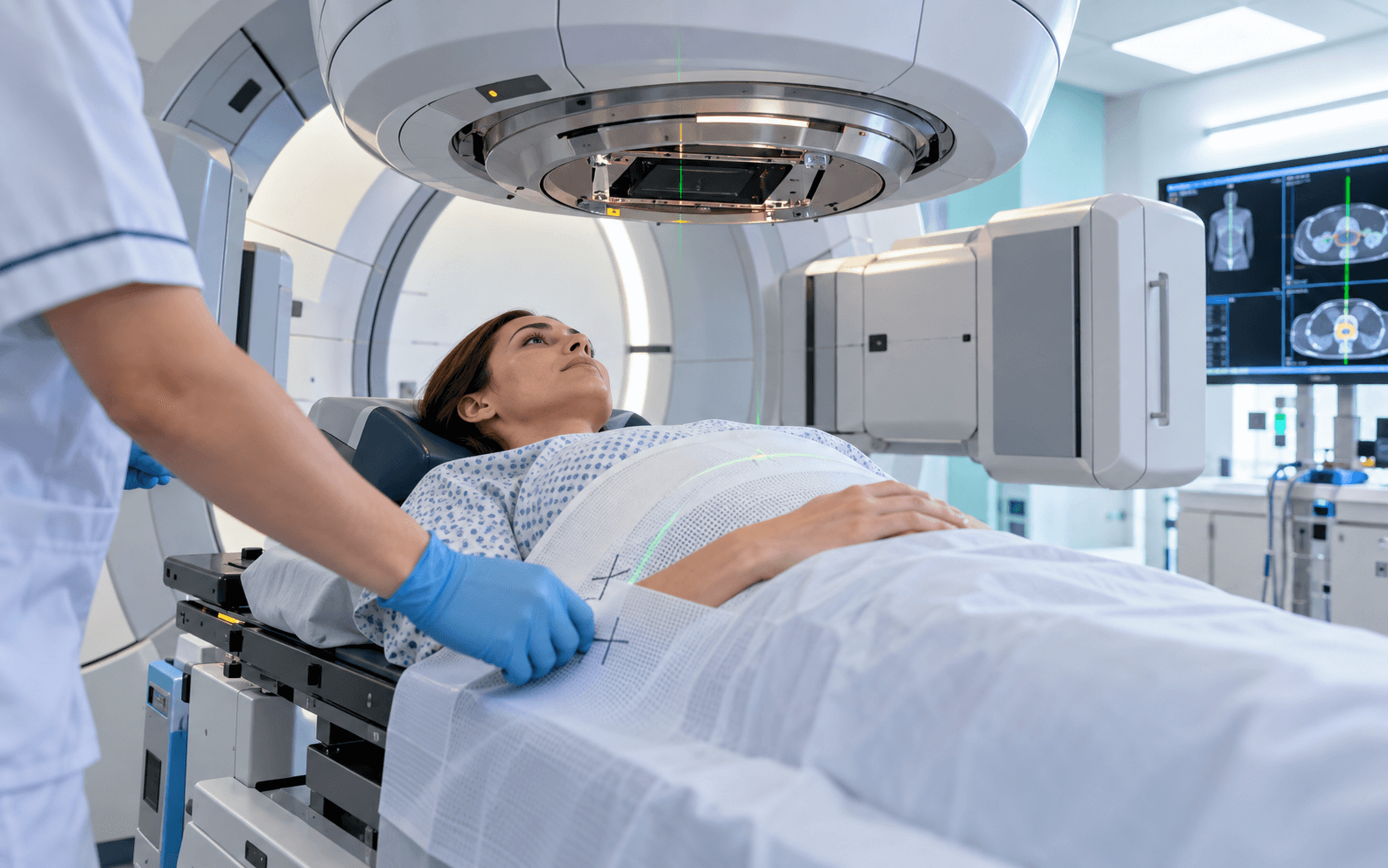
    Radiation therapy

    Focused radiation to treat tumours, using techniques such as IMRT, IGRT or stereotactic radiotherapy where suitable. [confirm availability by hospital]

  • 04

    Targeted therapy

    Medicines aimed at specific changes in cancer cells, used when tests show the tumour has a matching feature.

  • 05

    Immunotherapy

    Treatment that helps the immune system recognise and attack cancer, used for selected cancers and patients.

  • 06

    Stem cell and bone marrow transplant

    A treatment for selected blood cancers and related conditions. See the dedicated BMT page.

  • 07

    Supportive and palliative care

    Pain control, nutrition, symptom relief and emotional support, which can be given alongside active treatment.

Treatments

Common cancer investigations and treatments

An oncologist should explain the purpose, benefits, risks, side effects and alternatives of each step.

  1. 01

    Biopsy and pathology review

    Examination of a tissue sample to confirm the cancer type and grade.

  2. 02

    Imaging

    CT, MRI and PET-CT scans to show the size and spread of the cancer.

  3. 03

    Molecular and genetic testing

    Tests on the tumour or blood that can guide targeted therapy or immunotherapy.

  4. 04

    Multidisciplinary tumour board review

    Specialists from different fields discuss your case and agree a plan. [confirm availability by hospital]

  5. 05

    Cancer surgery

    Removal of the tumour, with or without nearby lymph nodes.

  6. 06

    Chemotherapy cycles

    Treatment given in planned cycles, usually with scans and blood tests between them.

  7. 07

    Radiation therapy courses

    Planned sessions over days or weeks, depending on the treatment.

  8. 08

    Targeted therapy or immunotherapy

    Medicines given by mouth or infusion on a schedule set by your oncologist.

  9. 09

    Side-effect management

    Care to manage nausea, fatigue, low blood counts, infection risk, pain and nutrition.

  10. 10

    Follow-up and surveillance

    Regular scans and tests to monitor response and check for recurrence.

Care desk

How MedMax Care can help

Cancer care is planned by your oncology team after reviewing your records and test results. MedMax helps you organise your information, so you can ask clear questions and compare options.

  1. 01

    Help you gather and share pathology reports, slides or blocks, scans and treatment history for specialist review.

  2. 02

    Clarify proposed treatment plans and request an itemised written estimate from the hospital.

  3. 03

    Help you plan travel, stay, caregiver needs and coordination with your oncologist at home.

Causes

Common risk factors for cancer

  1. 01

    Tobacco use and heavy alcohol use

  2. 02

    Age and family history of cancer

  3. 03

    Certain infections, such as HPV, hepatitis B and C or H. pylori

  4. 04

    Excess body weight, poor diet and physical inactivity

  5. 05

    Environmental and workplace exposures, including radiation and some chemicals

Treated

Concerns an oncologist can assess

  • A new or growing lump
  • Unexplained weight loss, fatigue or persistent fever
  • Persistent cough, hoarseness or difficulty swallowing
  • Unusual bleeding, or changes in bowel or bladder habits
  • A suspicious scan or biopsy result
  • A known cancer diagnosis where you would like a second opinion

Procedures

Treatment options

  • Biopsy, pathology review, scans and molecular tests
  • Surgery to remove the tumour
  • Chemotherapy, radiation therapy, targeted therapy or immunotherapy
  • Supportive care, rehabilitation and long-term follow-up

Why this pathway

Why a specialist review matters

  • 01

    Cancer treatment depends on accurate diagnosis, staging and tumour testing, so a second review of pathology and scans can help confirm the plan.

  • 02

    An oncology team can explain the options, side effects, expected course of treatment and alternatives, including supportive care.

  • 03

    A written plan helps you compare treatment schedules, hospital stay, costs and follow-up, and decide whether treatment closer to home may be better.

Timing

When to see an oncologist

  1. 01

    Book an appointment for a new lump, persistent unexplained symptoms, an abnormal scan or screening result, or a diagnosis you would like reviewed.

  2. 02

    Seek urgent care for fever during chemotherapy, uncontrolled pain, bleeding, persistent vomiting or severe new symptoms. Contact your treating oncology team straight away.

  3. 03

    Call emergency services immediately for difficulty breathing, chest pain, sudden severe headache or confusion, seizures or heavy bleeding. Do not wait for an online enquiry.

After the theatre

Treatment support and aftercare

  • Follow your oncology team’s instructions on medicines, appointments, blood tests and warning signs.
  • Report fever, new pain, bleeding, breathlessness or unexpected symptoms promptly.
  • Maintain nutrition and hydration with guidance from your team or a dietitian.
  • Keep up with follow-up scans and reviews, including with your oncologist at home.
  • Ask about emotional support, counselling and support groups for patients and family members.
  • Ask your team when it is safe to fly, particularly during or after chemotherapy, radiation or surgery.

Stay on

Need nights after discharge?

Guest house, service apartment, or a hotel near campus — arranged as Recovery, not a tourist add-on.

See Recovery

Making decisions about cancer care

A cancer diagnosis can feel urgent, but a careful second review often helps you make decisions with more confidence. Keep your current oncologist informed, share your complete records, ask for a written plan and confirm the hospital’s accreditation and team before you decide to travel. If you have urgent symptoms, seek care near you first.

What to ask before treatment

  • What is my exact diagnosis and stage, and have my pathology slides been reviewed?
  • What are all of my treatment options, including those at home?
  • Is this hospital’s recommendation different from my current plan, and why?
  • What are the expected side effects, and how will they be managed?
  • Is my condition stable enough to travel?
  • What is included in the written estimate, and what is not?
  • How will my care be coordinated with my oncologist at home?

Specialist review before you travel

Send your reports, scans and pathology for review so you have a clearer picture of your options, and a list of questions to discuss with your own oncologist, before any decision about travel.

Questions

Before you pack

Broader India travel questions live on Medical, Wellness, and Ayurveda.

Can I get a second opinion on my cancer diagnosis or treatment plan?

Yes. You can share your pathology reports, scans and treatment history for review before you decide on travel. A second opinion may confirm your plan, suggest changes or discuss additional options. Your original oncologist should remain informed.

Will you tell me what treatment I need?

No. MedMax is not a medical provider. Treatment recommendations come from the oncology team after reviewing your records and, where needed, examining you.

How much does cancer treatment cost in India?

Costs depend on the cancer type, stage, treatment combination, medicines, hospital, room category and length of stay. Ask for an itemised written estimate after assessment; this page does not promise a fixed price.

Is it safe for me to travel for cancer treatment?

It depends on your condition, current treatment and blood counts. Some patients are well enough for planned travel, while others should be treated near home. Your oncologist must confirm fitness to travel before you book.

Should I delay treatment at home to travel?

Do not delay or stop treatment without advice from your oncologist. For many cancers the timing of treatment matters. Discuss any plan to travel with your current team.

What records should I share?

Typically your biopsy and pathology reports, imaging reports and scans, blood tests, molecular or genetic test results and a summary of treatment so far. The hospital will tell you if it needs more.

Are immunotherapy, targeted therapy and clinical trials available?

Availability depends on the hospital, the cancer type and your test results. Ask the hospital in writing what is offered for your case. This page does not promise access to any specific drug or trial.

How long would I need to stay?

It varies widely. Some patients need a short visit for review or a procedure, while others need weeks or months for a course of treatment. Your team can give a case-specific plan.

Can I continue treatment with my oncologist at home afterwards?

Often this is possible, and many patients do some treatment or follow-up at home. Ask the hospital for a detailed treatment summary, pathology and scan reports and a clear plan for your home team.

Does insurance cover treatment abroad?

Coverage varies by plan. Check with your insurer before travelling; MedMax cannot guarantee reimbursement.

Comparator

See exactly how much you'll save

Typical published self-pay bands — not a personal quote. Start a case when you want numbers written for your file.

87%

About $41,800 on a typical knee replacement vs United States.

At home
$48,000
3–9 months
In India
$6,200
1–3 weeks
Start your case for a written quote

Ready?

Cancer care at a glance

No hospital sees the file until you approve a match. A care manager acknowledges the same day.

  • Specialist review of your pathology and scans
  • Written, itemised treatment estimate
  • Travel, stay and caregiver planning
  • Coordination with your oncologist at home

Prefer to talk first? +91 94935 34343

Your details

Request a care plan

One business day to reply — usually a checklist or specialist match.

First name
Last name
Email
WhatsApp / phone
Treatment interest
How soon are you looking to travel?
Brief medical note

We never share reports with a hospital until you say so. No obligation to travel.