

Skip to content
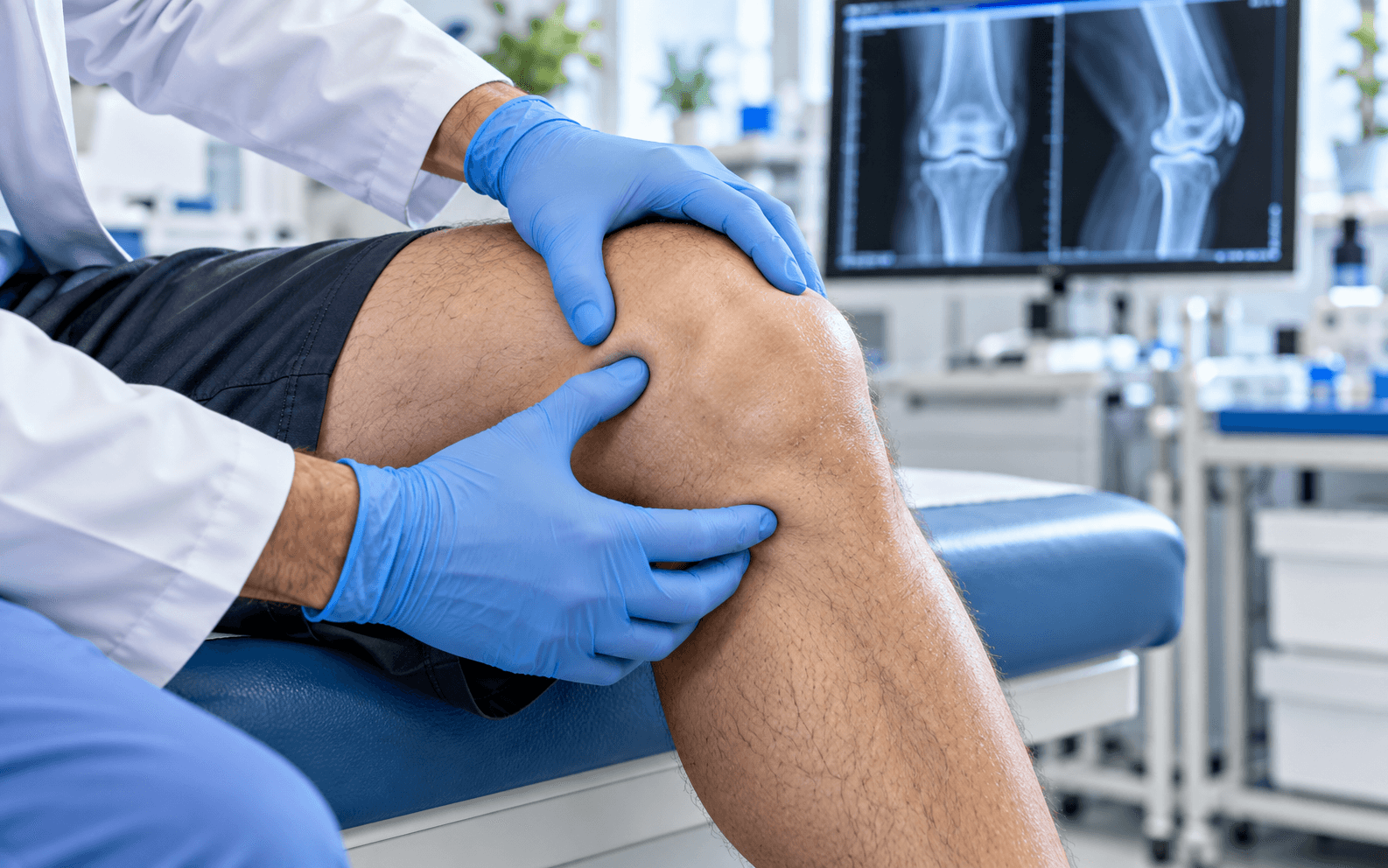
orthopedic-surgeon-reviewing-a-knee-x-ray-with-a-patient-medmax-care.

Treatment

Orthopedic carecare in India

Get your scans reviewed, compare treatment options and plan joint care with accredited hospitals and experienced orthopedic surgeons.

Begin here

Request a care plan

First name
Last name
Email
WhatsApp / phone
How soon are you looking to travel?

We never share reports with a hospital until you say so. No obligation to travel.

  • Varies by procedure; confirmed by your surgeon

    Typical stay

  • JCI / NABH

    Partners

  • 48h

    Case review

Overview

Orthopedic care, explained

Orthopedics covers the diagnosis and treatment of bones, joints, ligaments, tendons and muscles. Care ranges from physiotherapy and injections to joint replacement and spine or trauma surgery, and the right option depends on your imaging, symptoms and overall health.

orthopedic-consultation-reviewing-joint-imaging

Pathways

Types of orthopedic care

The right option depends on your condition, imaging, mobility goals and general health.

  • 01

    Joint replacement

    Knee, hip and shoulder replacement to relieve pain and restore movement when other treatments are no longer enough.

  • 02

    Sports injury care

    Assessment and treatment for ligament, meniscus and tendon injuries, including arthroscopic procedures where suitable.

  • 03

    Spine care

    Evaluation and treatment of back and neck conditions, from non-surgical management to surgery when indicated.

  • 04

    Trauma and fracture care

    Treatment for broken bones and complex injuries, including fixation and rehabilitation.

  • 05

    Arthritis and joint care

    Medication, injections, physiotherapy and surgical options for arthritis-related pain and stiffness.

  • 06

    Revision surgery

    Reassessment and repeat procedures for previous implants or surgeries that need review.

Treatments

Common orthopedic procedures

A surgeon should explain the benefits, risks, alternatives and likely recovery for your case

  1. 01

    Knee replacement

    Total or partial replacement of a damaged knee joint after assessment of cartilage, alignment and overall suitability.

  2. 02

    Hip replacement

    Replacement of the hip joint, considered when pain and stiffness limit daily activity despite other treatment.

  3. 03

    Arthroscopy

    Keyhole procedure used to diagnose and treat selected joint problems, such as some meniscus or ligament injuries.

  4. 04

    ACL reconstruction

    Surgery to rebuild a torn knee ligament, typically followed by structured rehabilitation.

  5. 05

    Shoulder replacement

    An option for severe shoulder arthritis or complex fractures in selected patients.

  6. 06

    Spinal decompression and fusion

    Procedures considered for specific nerve compression or spinal instability, after thorough evaluation.

  7. 07

    Fracture fixation

    Use of plates, rods or screws to stabilise broken bones while they heal.

  8. 08

    Revision joint surgery

    Repeat procedure for selected cases where a previous implant needs attention.

  9. 09

    Joint injections

    Non-surgical options that may help manage pain in selected conditions.

  10. 10

    Physiotherapy and rehabilitation

    Guided exercise and mobility programmes used before and after treatment.

Care desk

How MedMax can help

Orthopedic treatment is tailored to each patient after clinical review of symptoms and imaging. MedMax helps you organise the information and questions you need to make that decision.

  1. 01

    Help you share relevant records, X-rays, MRI or CT scans for specialist review.

  2. 02

    Clarify proposed treatment options and request a written estimate from the hospital.

  3. 03

    Help you plan hospital stay, recovery, travel timing and follow-up care.

Causes

Common causes of joint and bone problems

  1. 01

    Osteoarthritis and age-related wear

  2. 02

    Rheumatoid and other inflammatory arthritis

  3. 03

    Sports injuries and accidents

  4. 04

    Excess body weight and repetitive joint stress

  5. 05

    Avascular necrosis, genetics and existing medical conditions

Treated

Orthopedic concerns a surgeon can assess

  • Knee pain, stiffness or swelling
  • Hip pain or groin pain when walking
  • Difficulty with stairs, standing or walking
  • Ligament, cartilage or meniscus injuries
  • Fractures and bone injuries
  • Back or neck pain with nerve symptoms

Procedures

Treatment options

  • Examination, X-rays and MRI or CT when indicated
  • Medication, injections and physiotherapy
  • Arthroscopic or keyhole procedures
  • Joint replacement, fracture fixation or spine surgery

Why this pathway

Why timely orthopedic assessment matters

  • 01

    Imaging and examination can show how far a joint condition has progressed.

  • 02

    Early assessment may open up non-surgical options and help limit further damage.

  • 03

    A clear plan helps you compare treatments, hospital stay, recovery time, costs and aftercare.

Timing

When to see an orthopedic specialist

  1. 01

    Book an appointment for persistent joint pain, stiffness, reduced mobility or pain that disturbs sleep.

  2. 02

    Seek urgent care for a suspected fracture, a joint that cannot bear weight, or sudden severe pain and swelling.

  3. 03

    Get emergency medical help for chest pain, shortness of breath, loss of limb sensation or loss of bladder or bowel control.

After the theatre

Recovery and aftercare

  • Follow your surgeon’s instructions on medication, wound care, movement and follow-up visits.
  • Attend physiotherapy as planned; consistent rehabilitation is a major part of recovery.
  • Ask your surgeon when it is safe to fly home and how to reduce clot risk during travel.
  • Arrange follow-up imaging and review, including with your doctor at home.

Stay on

Need nights after discharge?

Guest house, service apartment, or a hotel near campus — arranged as Recovery, not a tourist add-on.

See Recovery

Choosing the right orthopedic care

Orthopedic decisions are rarely urgent for ongoing joint conditions, which gives you time to compare options. Share your records, ask for a written plan, and confirm the surgeon, hospital and accreditation before you decide

What to ask before treatment

  • Which procedure is recommended, and what are the alternatives?
  • What are the surgeon’s qualifications and experience with this procedure?
  • Which implant or technique will be used?
  • What is included in the written estimate, and what is not?

Specialist review before you travel.

Send your scans and reports for review so you arrive with a clearer plan, realistic expectations and a list of questions.

Get a second opinion on your scans.

Share your reports and we’ll help you organise a specialist review. Suitability for any treatment is decided after clinical assessment.

Questions

Before you pack

Broader India travel questions live on Medical, Wellness, and Ayurveda.

What orthopedic treatment do I need?

It depends on a physical examination and, when indicated, imaging such as X-ray or MRI. A surgeon can explain the diagnosis and compare suitable options, including non-surgical ones.

How much does orthopedic treatment cost in India?

Costs vary by procedure, implant type, hospital, room category and complexity. Ask for an itemised written estimate after assessment; this page does not promise a fixed price.

Do I always need surgery?

No. Many conditions are first managed with medication, injections, physiotherapy or lifestyle changes. Surgery is considered when these are not enough or when an injury requires it.

How long is the recovery after joint replacement?

It varies by procedure and by patient. Your surgeon can give a case-specific timeline for hospital stay, physiotherapy and return to normal activities.

Can I travel after orthopedic surgery?

Timing depends on the procedure and your recovery. Ask your surgeon when it is safe to fly and what precautions to take.

Can I send my scans for an opinion before travelling?

Yes. You can share reports and imaging for review, and the treating team will advise what further tests, if any, are needed.

How do implants last, and who is not a suitable candidate?

Implant lifespan depends on the implant, your activity level, weight and general health. Suitability is decided after clinical review and cannot be guaranteed in advance.

How can I keep my joints healthy?

Stay active with low-impact exercise, maintain a healthy weight, strengthen supporting muscles, avoid tobacco and get persistent pain checked early.

Comparator

See exactly how much you'll save

Typical published self-pay bands — not a personal quote. Start a case when you want numbers written for your file.

87%

About $41,800 on a typical knee replacement vs United States.

At home
$48,000
3–9 months
In India
$6,200
1–3 weeks
Start your case for a written quote

Ready?

Orthopedic care at a glance

No hospital sees the file until you approve a match. A care manager acknowledges the same day.

  • Specialist review of your scans and reports
  • Written, itemised treatment estimates
  • Hospital stay and recovery planning
  • Follow-up guidance for care back home

Prefer to talk first? +91 94935 34343

Your details

Request a care plan

One business day to reply — usually a checklist or specialist match.

First name
Last name
Email
WhatsApp / phone
Treatment interest
How soon are you looking to travel?
Brief medical note

We never share reports with a hospital until you say so. No obligation to travel.